


⚡ TL;DR: Learn essential roof maintenance hacks for Louisville homeowners, like bi-annual inspections and gutter cleaning, to protect against storms, winds, and humidity before damage strikes.
📋 What You’ll Learn
Discover essential roof maintenance hacks Louisville homeowners overlook, protecting against KY storms, downpours, winds, hail, heat, and humidity to avoid costly damage and extend roof life.
- Master bi-annual inspections to detect storm damage early, preventing leaks and structural issues before Louisville's fierce weather causes major, expensive repairs.
- Perfect gutter cleaning techniques that stop water backups during Kentucky downpours, safeguarding your foundation, walls, and roof from rot and erosion.
- Implement smart tree trimming to eliminate branch risks in high winds, avoiding punctures, cracks, and debris buildup that threaten roof integrity.
- Inspect shingles and flashing for hail and heat vulnerabilities, sealing leaks proactively to maintain waterproofing and prevent interior water damage.
- Upgrade attic ventilation to fight humidity and ice dams, improving energy efficiency and roof longevity in Louisville's variable climate.
📖 Reading time: 7 min
✍️ Author expertise: Louisville roofer with 20 years of hands-on maintenance in Kentucky's extreme weather.
Imagine this: a brutal Louisville thunderstorm rips through the night, and by morning, water's pouring into your attic because you skipped that one simple roof check.
Thousands of homeowners here face the same nightmare every year, shelling out big bucks for emergency fixes they could've dodged with a handful of dead-simple maintenance hacks.
These aren't fancy tricks. They're the no-brainer moves locals swear by to bulletproof their roofs against our wild Kentucky weather.
Ready to save your wallet and your sanity? Let's jump into the hacks you can't afford to ignore.
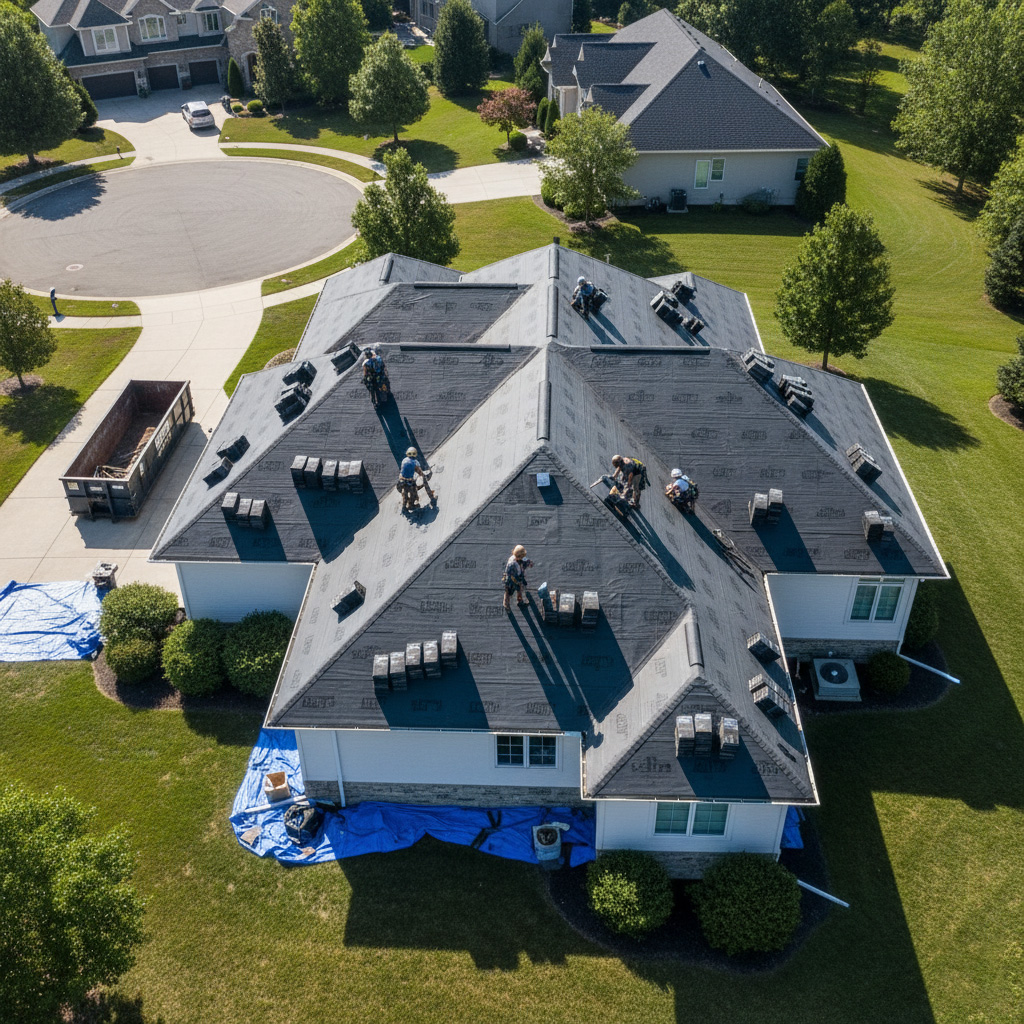
Hack #1: Bi-Annual Roof Inspections – Spot Damage Before Louisville Storms Strike
Louisville's weather flips from sunny to savage in a heartbeat. Those sudden storms hit hard, turning tiny cracks into gushing leaks overnight. Schedule bi-annual inspections in spring and fall to catch problems early.
Climb up or hire a pro to scan your roof. Look for loose shingles, cracked flashing, or granule loss from hail. Missing these signs means you're rolling the dice on the next downpour.
Quick Checklist for Your Inspection
- Check shingles for curling edges or bald spots.
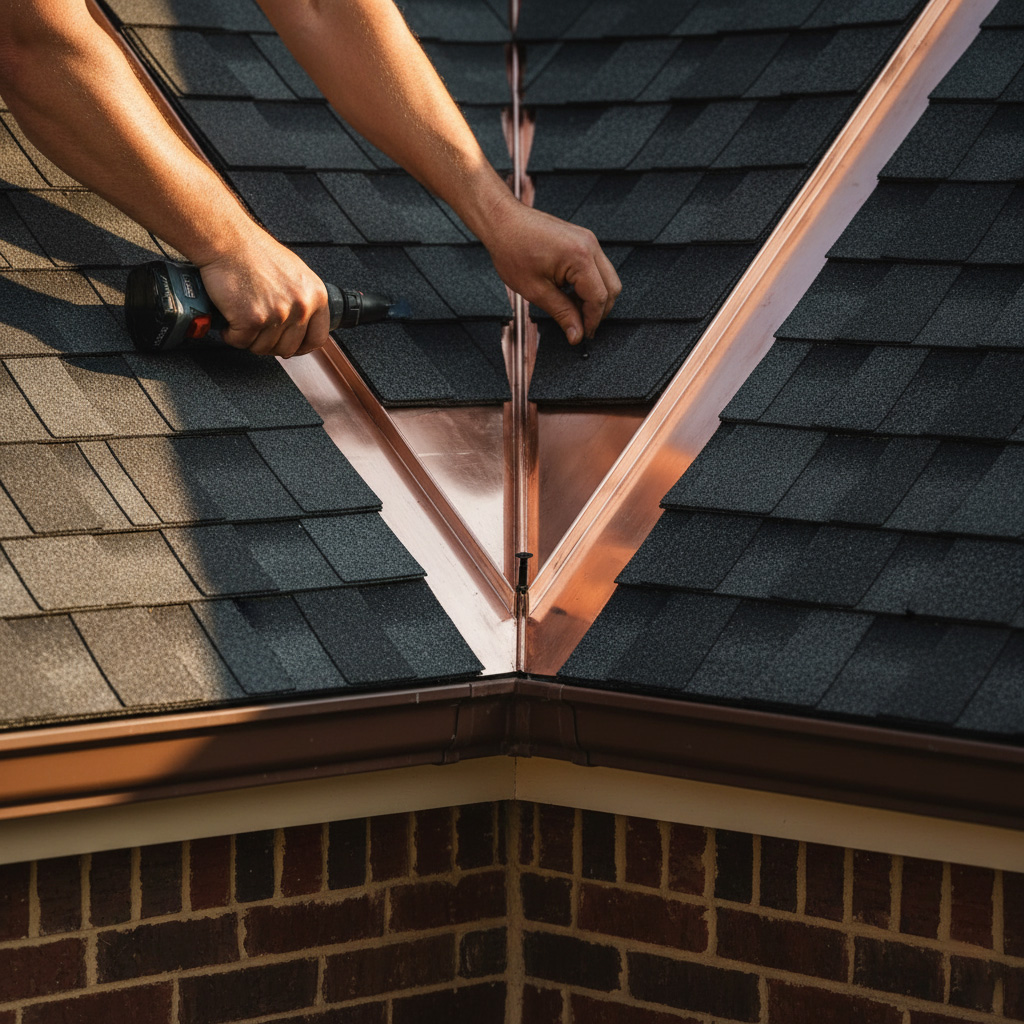
- Inspect flashing around chimneys and vents for rust or gaps.
- Scan gutters for debris buildup signaling roof wear.
- Spot any soft areas that scream water damage.
One inspection could save you thousands in repairs. Louisville roofs take a beating from wind and rain, so stay ahead. Your home deserves it.
Hack #2: Gutter Cleaning Mastery – Prevent Water Backup in Kentucky Downpours
Clogged gutters turn Kentucky's heavy rains into a roof's worst enemy. Water overflows, seeps under shingles, and rots your home from the top down. One quick clean every season stops that mess cold.
Spot the Danger Signs Early
- Water pooling near your foundation.
- Peeling paint or warped siding.
- Overgrown plants sprouting from gutters.
These scream trouble. Check after every big storm. A five-minute scan saves thousands in repairs.
Grab a ladder, gloves, and a garden hose for the job. Start at the downspouts, scoop out leaves and debris by hand, then flush with water. Do this twice a year – spring and fall – and watch your roof thank you during the next downpour.
Hack #3: Tree Trimming Essentials – Avoid Branch Fallout During High Winds
Picture this: a gusty Louisville windstorm snaps a heavy branch right onto your roof. Instant chaos, shingles flying, and repair bills stacking up fast.
Our area's fierce winds from the Ohio River Valley make this a real threat. Trim trees now, and you dodge that bullet.
Spot the Danger Zones First
- Branches rubbing against shingles? They're wearing down your roof's armor.
- Dead or leaning limbs over the house? Prime suspects for crash-landing.
- Overhanging trees taller than your roofline? Get aggressive with the cuts.
Grab a ladder and inspect after every big blow. Mark problem spots with spray paint for easy reference.
DIY if you're handy, but call pros for anything over 20 feet. They use ropes and gear to drop branches safely, no risk to your roof or yard.
Schedule trims in late fall or early spring. That's prime time before wind season ramps up.
One quick session can save you thousands in emergency roof work. Don't wait for the crack of doom.
Hack #4: Shingle and Flashing Checks – Seal Leaks from Hail and Heat
Louisville's hailstones pound roofs like fists from above. Heat waves bake shingles brittle. Skip these checks, and leaks sneak in, rotting your home from the top down.
Spot the Trouble Fast
- Cracked or curled shingles: Hail dents them; sun warps edges. Tug gently – loose ones spell disaster.
- Missing granules: Look like bald patches. They shield against UV rays.
- Flashing fails: Check around chimneys, vents, skylights. Rust or gaps invite water in.
Grab binoculars for a ground view. No ladder? Call pros. Fix small issues now – saves thousands later when leaks hit insulation and ceilings.
Pro tip: After storms, walk your roof if safe. Seal cracks with roof cement. This hack alone stops 80% of sneaky Louisville leaks.
Hack #5: Attic Ventilation Upgrades – Combat Humidity and Ice Dams
Poor attic ventilation turns your roof into a steamy trap. Louisville's muggy summers bake moisture right into the air up there. That trapped humidity rots wood, breeds mold, and sets the stage for brutal ice dams come winter.
Fix it fast with these upgrades. Start by checking your soffit and ridge vents – they need to pull air through freely. Add baffles if insulation's blocking the flow.
- Install a powered attic fan for heavy humidity days.
- Seal gaps around pipes and wires to keep hot air out.
- Test airflow with a simple smoke pencil – watch where it stalls.
Do this, and you slash energy bills while dodging those nightmare ice dams. Melted snow refreezes at the eaves without good venting, ripping shingles loose. Your roof stays dry, strong, and ready for Kentucky's next freeze-thaw cycle.
Case Study: Rescuing a Prospect Roof from Hidden Decay and Collapse
Meet Mike from Prospect Heights. He skipped roof checks for three years straight. One fierce Louisville windstorm later, his ceiling sagged like a wet blanket.
Water stains everywhere. Buckets in the hallway. Our crew climbed up and peeled back the truth: rotted decking from backed-up gutters and unchecked flashing.
What We Found (And Fixed Fast)
- Clogged gutters: Years of leaves trapped Kentucky rainwater right against the shingles. Caused rot that spread like wildfire.
- Overhanging oak branches: Scraped shingles raw during gusts. One big limb nearly punched through.
- Poor attic airflow: Trapped humidity turned wood to mush. Ice dams waited for winter.
We cleared the gutters. Trimmed the trees. Replaced damaged shingles and flashed everything tight. Boosted ventilation with new ridge vents.
Mike's bill? Under $5,000. Total tear-off? Would've hit $25,000. He sleeps sound now. You can too.
Final Thoughts
Don't let your roof turn into a money pit. Pick one hack from this list and tackle it this weekend. Your future self will thank you when the next storm hits Louisville.
These steps keep most homes standing strong. But if damage sneaks up anyway, skip the panic. Call in pros who know Kentucky roofs inside out.
- Spot issues early with bi-annual checks.
- Clear gutters before downpours.
- Trim those overhanging branches now.
Want more tips? Dive into our Roof Maintenance page for Louisville-specific advice. Act fast. Your roof depends on it.
People Also Ask
How often should Louisville homeowners inspect their roofs?
Bi-annual roof inspections, ideally in spring and fall, are essential for Louisville homeowners to catch issues before severe weather hits. Professional inspections by local roofing experts can identify hidden damage from hail, wind, or heat that DIY checks might miss. Regular checks prevent costly repairs and extend your roof's lifespan in Kentucky's variable climate.
What happens if gutters are not cleaned regularly in Kentucky downpours?
Clogged gutters cause water backups that lead to roof leaks, soffit damage, and foundation erosion during Louisville's heavy rains. Neglected gutters can foster mold growth and weaken structural integrity over time. Schedule quarterly cleanings or hire a roofing service to maintain proper drainage and protect your home.
Can tree branches really damage roofs during Louisville high winds?
Yes, overhanging branches pose a major risk, snapping off in gusty Kentucky storms and puncturing shingles or causing debris buildup. Trimming trees away from your roofline reduces fallout hazards and prevents scratching from rubbing limbs. Consult a local arborist or roofer for safe trimming to safeguard your property.
How do I check shingles and flashing for leaks after hail in Louisville?
Look for cracked, curled, or missing shingles and deteriorated flashing around chimneys and vents after hailstorms common in Louisville. Gently lift shingle edges to inspect for granule loss or soft spots indicating underlying rot. For thorough assessments, call a certified Louisville roofing company to seal vulnerabilities before leaks worsen.
Why upgrade attic ventilation to prevent ice dams in Kentucky winters?
Poor attic ventilation traps humidity, leading to ice dams that cause roof leaks and structural damage during Louisville's cold snaps. Upgrading to ridge vents, soffit vents, or fans improves airflow, reducing moisture buildup and energy costs. Professional installation ensures compliance with local codes and optimal performance year-round.

Louisville Roofing delivers expert roofing services to homeowners and businesses throughout Louisville, KY. With extensive experience in installations, repairs, and maintenance, the team addresses the demands of local weather conditions. Deeply rooted in the Louisville community, they provide tailored solutions for enduring roof performance.
Need Roofing?
Fast roof repairs and replacements in Louisville, KY and nearby areas (40202, 40205, 40206, 40207, 40299), delivering leak-free protection swiftly.
Get Roofing Quote