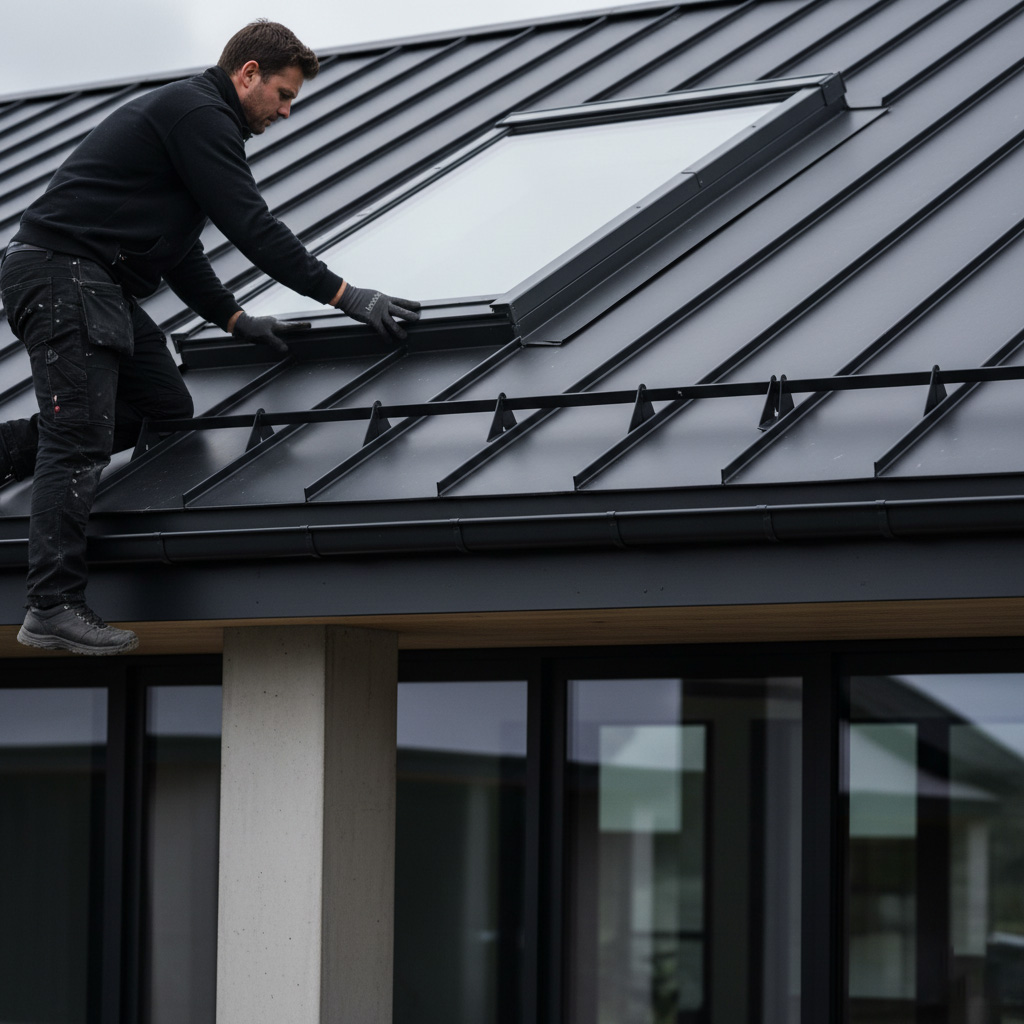


⚡ TL;DR: This roof inspection checklist guides Louisville homeowners through DIY exterior, interior, and drainage checks to spot weather-related issues early and avoid costly repairs.
📋 What You’ll Learn
In this Louisville roof inspection checklist, you’ll master DIY tools, step-by-step checks, local weather risks, interior red flags, and real stories of saving thousands on repairs.
- Master essential DIY tools for safe, effective roof inspections that help Louisville homeowners spot damage early without needing professional equipment right away.
- Spot exterior shingle issues like missing flashing, cracks, or wear to prevent leaks and structural problems before they escalate into costly fixes.
- Inspect gutters and interiors for clogs, water stains, or attic damage that signal hidden issues threatening your home’s foundation and value.
- Navigate Louisville weather hazards from hail, wind, and humidity, plus a Germantown case study showing $18K in avoided disaster through timely action.
📖 Reading time: 7 min
✍️ Author expertise: Louisville roofing pro with 20+ years of field inspections and repairs in KY's harsh weather.
Ever stared at a ceiling stain after a Louisville downpour and wondered how bad it's gonna get? One overlooked shingle crack can snowball into a $20,000 roof replacement faster than you can say "Derby weather."
We've seen it hit homeowners hard here in the River City—leaks ignored turn into structural nightmares amid our brutal hail storms and humid summers.
Arm yourself with our no-BS roof inspection checklist that spots trouble early and saves you thousands. Let's dive into the steps that keep your roof solid and your wallet intact.
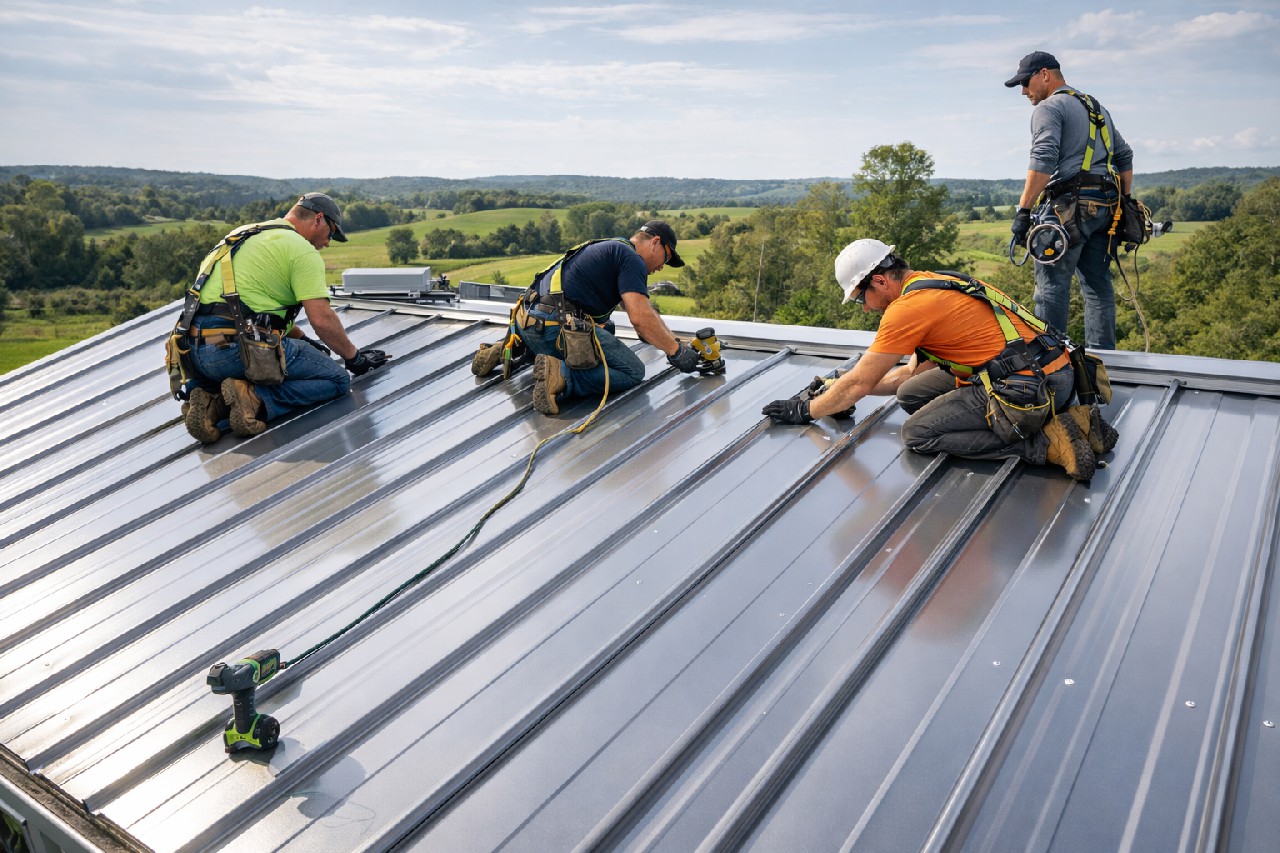
Essential Tools for Your DIY Roof Inspection
You don't need a truckload of gear to spot roof trouble. Grab these basics, and you're set to catch issues before they blow up your budget. Skip the fancy stuff—focus on what gets the job done right.
Here's your must-have kit:
- Solid ladder: Pick one rated for your weight, tall enough to clear the eaves safely. No wobbles allowed.
- Binoculars: Scan the roof from the ground. Perfect for high spots without risking a fall.
- Flashlight or headlamp: Lights up dark attic corners and shady under-eave areas.
- Gloves and safety glasses: Shields you from grit, nails, and surprises.
- Phone camera: Snap pics of damage. Proof for insurance or your roofer.
- Notebook or app: Jot notes. Miss nothing twice.
Pro tip: Test your ladder on flat ground first. And always have a spotter if you're climbing high. These tools turn guesswork into real intel.
Step 1: Exterior Shingle and Flashing Check
Grab binoculars or a sturdy ladder. Position yourself 10 feet back from the roof edge on a clear day. Scan the whole surface for the first signs of wear that Louisville's wild winds love to exploit.
Shingle Red Flags
- Curling or cupping edges: These lift like sails in gusts, inviting water underneath.
- Missing granules: Look like bald spots. They signal UV damage from our intense Kentucky sun.
- Cracked or bruised shingles: Hail punches these in spring storms. Count 'em; over 10 per 100 sq ft means trouble.
Tap loose ones gently. If they flex or pop off, your roof's armor is cracking. Note locations for pros later.
Flashing Focus
Zoom in on metal strips around chimneys, vents, and valleys. Rust or gaps here let rain sneak into your home's core.
Check for lifted seams or sealant cracks. In humid Louisville summers, these expand and fail fast. A quick photo helps track changes over time.
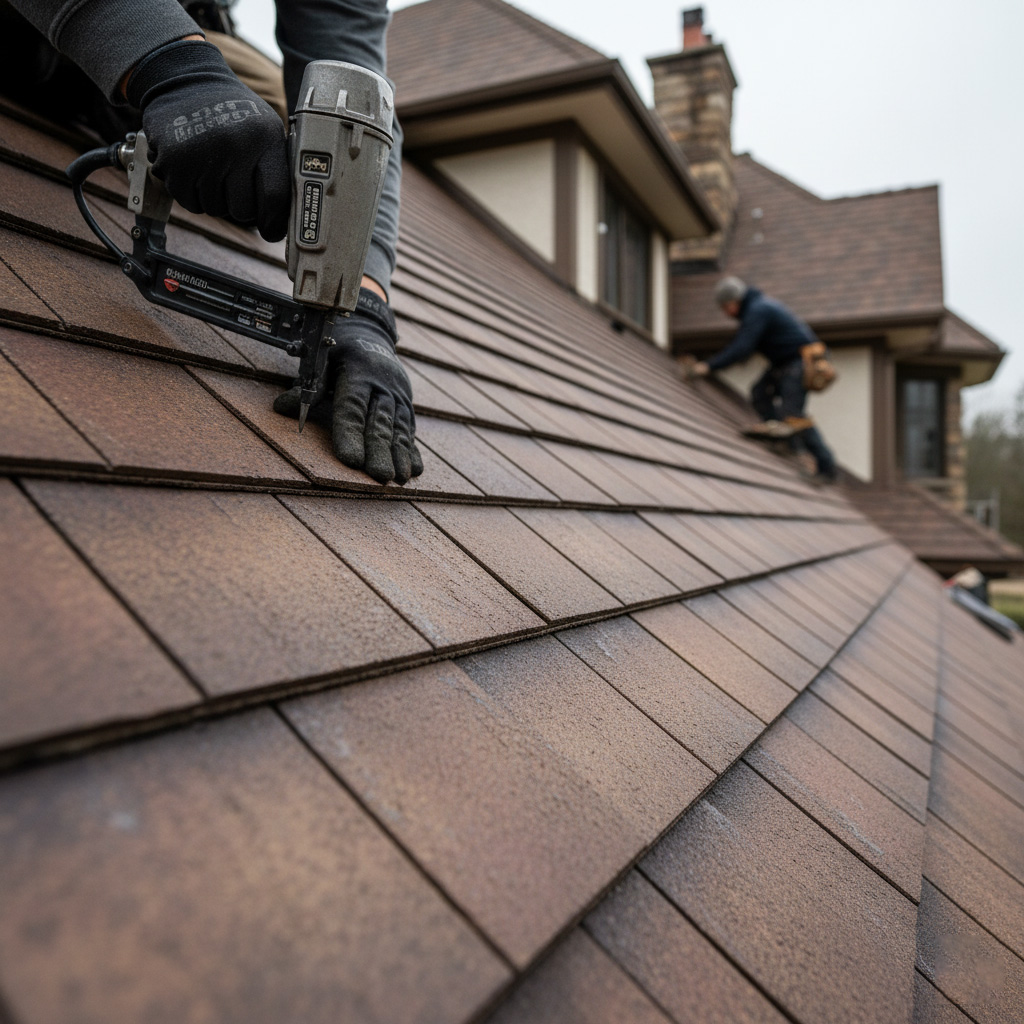
Step 2: Gutters, Downspouts, and Drainage Inspection
Clogged gutters in Louisville? That's a fast track to water backing up under your shingles. Our heavy spring rains turn minor blockages into roof-eating monsters.
Grab a ladder and start at the downspouts. Run water from a hose to test flow. Make sure it shoots far from your foundation, not pooling near the walls.
Red Flags to Spot Right Now
- Sagging gutters – they pull away from the roof, inviting leaks.
- Crushed or rusted sections – hail punches holes here first.
- Overflow marks inside – leaves and debris spell trouble.
- Disconnected downspouts – water dumps straight onto your siding.
Fix small clogs with a plumber's snake. But if seams are shot, call pros before the next storm hits. This step alone stops 80% of water damage claims we see.
Step 3: Attic, Ceiling, and Interior Red Flags
Head inside now. Your attic tells the real story leaks try to hide. Skip this, and small drips become big bucks.
Attic Hunt: Light It Up
Grab a flashlight. Crawl up there on a dry day. Look for these killers:
- Dark water stains on rafters or plywood—proof of past leaks.
- Mold or mildew smells hitting you like a freight train.
- Sagging insulation or rafters screaming structural trouble.
- Daylight peeking through cracks? Game over for that section.
Feel the wood. Soft spots mean rot's eating your roof from inside out. Note every spot—photos seal the deal.
Ceiling and Walls: Spot the Sneaks
Scan every ceiling. Brown rings or bubbles? Water's been partying up there.
Check walls near the roofline too. Peeling paint or warped drywall points straight to flashing fails. In Louisville's muggy air, these spread fast if ignored.
Louisville Weather Watch: Hail, Wind, and Humidity Hazards
Louisville's weather doesn't pull punches. Hail the size of golf balls pounds roofs during spring storms. Wind gusts over 60 mph rip shingles loose, especially around the edges.
Hail Hits Hard
Check for bruises on asphalt shingles - those random dents or granulation loss. Hail leaves chalky spots where protective granules wash away. Ignore them, and UV rays chew through your roof faster.
- Granule buildup in gutters? Hail alert.
- Soft spots under shingles? Water trapped from impacts.
Wind and Humidity Team Up
High winds lift shingles, letting Kentucky's muggy air sneak underneath. That moisture breeds mold and rots wood decks. Probe for lifted tabs or gaps during your walk-around.
Humidity swells materials, cracking seams over time. Feel for buckling or curling edges - prime spots for leaks next storm.
Case Study: Saving a Germantown Home from $18K Disaster
Meet Mike in Germantown. He noticed a few loose shingles after last spring's hail. Ignored it at first. Big mistake almost cost him everything.
Our inspection crew climbed up. Found chaos hiding in plain sight. Here's what we uncovered:
- Missing flashing around the chimney—water entry point numero uno.
- Granule loss on 40% of shingles from hail hits.
- Attic rot starting from poor ventilation.
Quoted a full tear-off? $18,000. But early spot meant targeted fixes instead. Mike paid just $4,200. Roof solid for another decade. No flood, no rebuild.
Final Thoughts
Spotting that one bad shingle now beats forking over 20 grand later. You've got the checklist. Use it.
Our Louisville roofs take a beating from hail and wind. Skip the DIY if ladders scare you. Call pros who climb daily.
Quick Action Steps
- Grab binoculars. Walk your roofline today.
- Snap photos of issues. Share with your contractor.
- Check our Roof Inspection page for free quotes.
One inspection saved that Germantown family 18K. Yours could be next. Don't wait for the next storm.
People Also Ask
How often should I inspect my roof in Louisville?
In Louisville's variable climate with hail, wind, and humidity, inspect your roof twice yearly—spring and fall—and after major storms. Regular checks catch issues early, preventing costly repairs. For thorough assessments, schedule professional inspections annually.
Can I perform a DIY roof inspection safely?
Yes, use a sturdy ladder, non-slip shoes, and binoculars for a basic DIY check focusing on shingles, flashing, and gutters. Avoid climbing if your roof is steep or wet to prevent falls. Hire pros for detailed inspections to ensure safety and accuracy.
What are signs of hail damage on Louisville roofs?
Look for dents, granule loss, or cracked shingles, common after Kentucky's severe thunderstorms. Hail impacts can bruise asphalt shingles, leading to leaks if ignored. Early detection via inspection saves thousands in replacement costs.
How much does a professional roof inspection cost in Louisville?
Expect $200-$500 for a standard inspection, depending on roof size and accessibility. Many Louisville roofing companies offer free estimates with no obligation. It's a small investment to avoid $10K+ in future damages.
What should I check in my attic during a roof inspection?
Scan for water stains, mold, daylight through cracks, or sagging rafters indicating leaks or structural issues. Poor ventilation from Louisville's humidity can cause rot—ensure proper insulation and airflow. Professional follow-up confirms findings and recommends fixes.

Louisville Roofing delivers expert roofing services to homeowners and businesses throughout Louisville, KY. With extensive experience in installations, repairs, and maintenance, the team addresses the area's unique weather challenges. Deeply rooted in the local community, Louisville Roofing focuses on reliable craftsmanship and lasting results.
Need Roofing?
Fast roof repairs and replacements in Louisville, KY and nearby areas (40202, 40205, 40206, 40207, 40299), delivering leak-free protection swiftly.
Get Roofing Quote